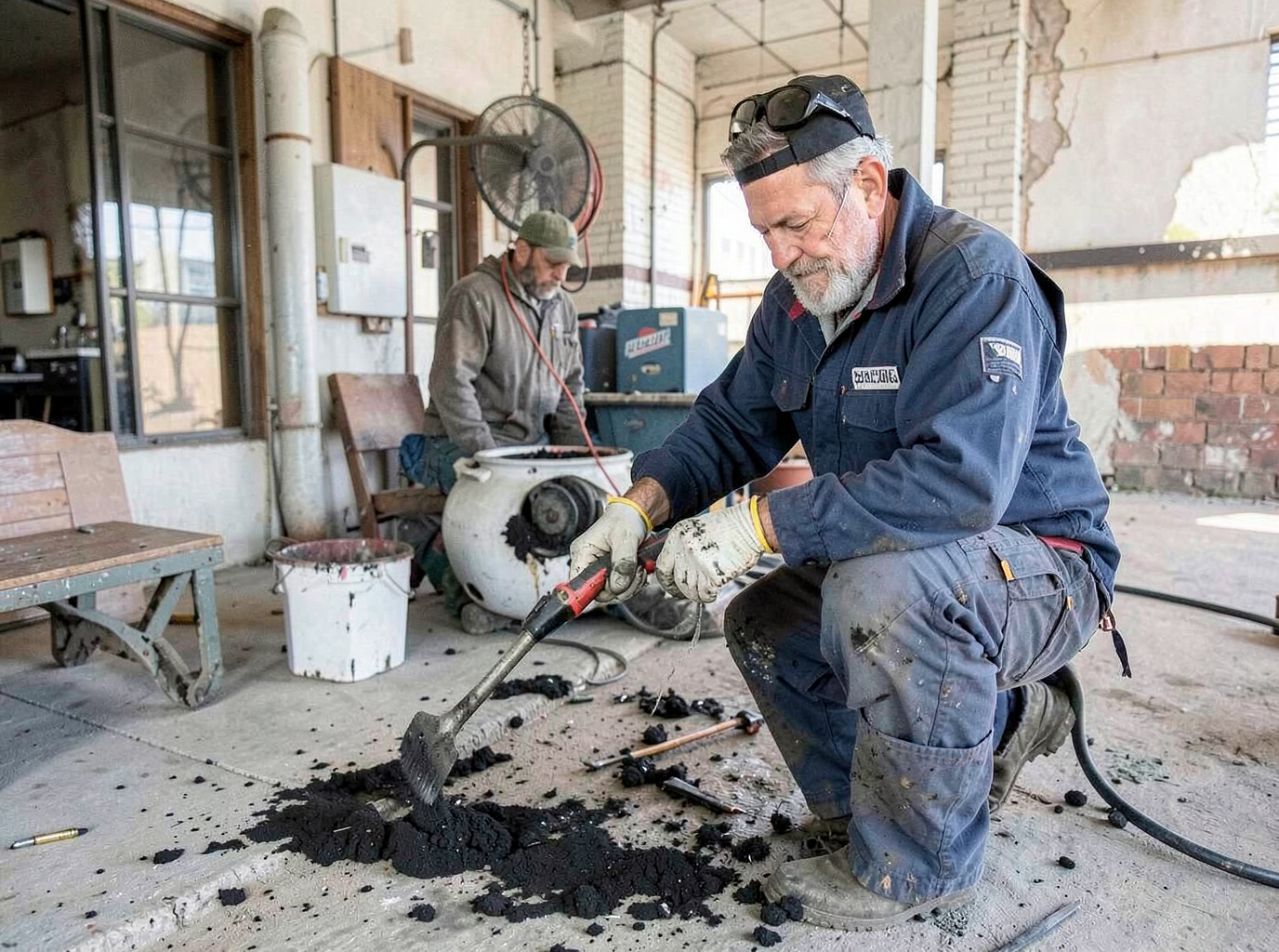
Houston's subtropical climate brings long stretches of high humidity that push moisture into older homes throughout the Heights and Montrose. Many of these houses have plaster walls, original hardwood floors, and unconditioned attics where black mold takes hold once roof leaks or poor ventilation allow water to linger. Removal crews must separate affected porous materials like drywall and insulation from sound surfaces while running negative air machines to keep spores from drifting into living spaces.
In Midtown and Downtown high-rises or townhomes, black mold often appears behind HVAC returns or in bathrooms where constant AC use still leaves hidden condensation. Technicians use moisture meters to trace water paths through slab foundations common in Harris County, then remove and bag contaminated sections before HEPA vacuuming and antimicrobial treatment. Edge cases include mold that has migrated into ductwork serving multiple units, requiring coordinated access with property management.
River Oaks and nearby estates built before widespread use of modern vapor barriers face different challenges. Thick stucco and masonry exteriors can trap moisture after heavy rains, feeding mold in wall cavities. Crews here focus on selective demo, proper disposal of debris at approved Harris County sites, and post-remediation verification to confirm levels have dropped before any rebuild begins.
Work in nearby cities like Katy, Sugar Land, and Pearland follows the same protocols but accounts for newer slab-on-grade homes with different insulation types. Seasonal spikes after summer storms mean crews stay ready for rapid response when standing water in yards pushes moisture under baseboards.
Technician insight
In Houston the thing that catches most people out with black mold removal is how quickly humidity re-wets surfaces after we leave if they skip fixing the roof leak or adding attic ventilation. Older Heights homes with single-pane windows and no house wrap make containment tougher because air leaks pull spores into other rooms.
Heights Bungalow After Summer Leak
A homeowner in the Heights noticed black spots along a bedroom ceiling after heavy June rains. Inspection showed water had traveled from a flashing failure into the attic insulation and down the wall cavity. We contained the room, removed the affected drywall and insulation, treated the joists, and dried the space over three days. Clearance testing passed and the owner scheduled roof repairs before moving furniture back in.
Black Mold Removal Services We Offer
✓Attic Black Mold Removal
Targets mold growth in Houston attics caused by roof leaks and poor ventilation common in older Heights and Montrose homes.
✓Bathroom Black Mold Remediation
Removes mold from tile, drywall, and caulk in humid bathrooms where daily showers and AC condensation create recurring moisture.
✓Crawl Space Black Mold Treatment
Addresses mold under homes in Harris County where soil moisture and limited airflow allow colonies to spread to floor joists.
✓HVAC Black Mold Cleaning
Cleans mold from ducts and coils in systems running year-round in Houston's climate, preventing spores from circulating through living areas.
✓Drywall Black Mold Removal
Cuts out and replaces contaminated drywall sections behind furniture or in closets where leaks have gone unnoticed in Midtown properties.
✓Post-Flood Black Mold Remediation
Handles mold following heavy rains or plumbing failures in neighborhoods like Downtown and River Oaks with older plumbing lines.
Black Mold Removal Cost in Houston, TX
| Service | Typical Range | What Affects It |
|---|---|---|
| Small isolated area (under 10 sq ft) | $400–$900 | Higher in multi-story homes with limited access |
| Bathroom or closet remediation | $800–$1,800 | Depends on extent of drywall replacement needed |
| Attic or crawl space job | $1,200–$3,500 | Increases with insulation removal and disposal volume |
| HVAC system cleaning add-on | $600–$1,400 | Based on number of runs and coil condition |
Ranges are typical for Houston, TX and confirmed with an exact written quote before any work starts.
How it works
- 1
Initial Assessment
Technician inspects affected areas with moisture meters and borescopes to map extent of black mold without disturbing spores.
- 2
Containment Setup
Plastic barriers and negative air machines isolate the work zone to protect unaffected parts of the Houston home.
- 3
Removal and Disposal
Contaminated materials are cut out, bagged, and removed for proper disposal while surfaces receive HEPA vacuuming and treatment.
- 4
Drying and Verification
Dehumidifiers and air movers dry the space, followed by clearance testing before any reconstruction work begins.
Pricing
Pricing varies by square footage, accessibility, and whether HVAC or structural materials are involved.